
HAVE A PAWFECT FOURTH OF JULY!
Fourth of July Pet Safety: How to Help Dogs and Cats Cope with Fireworks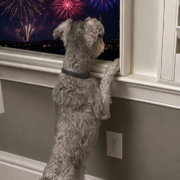
The team at Moores Mill Animal Hospital wishes you and your family a happy and safe summer! As Fourth of July celebrations approach, many families look forward to backyard barbecues, gatherings with friends, and spectacular fireworks displays. While these festivities are enjoyable for people, they can be overwhelming and frightening for our pets.
The loud noises, bright flashes, unfamiliar visitors, and changes to normal routines can trigger significant stress and anxiety in both dogs and cats. Understanding how fireworks affect pets and taking steps to prepare in advance can help keep your furry family members safe, comfortable, and calm throughout the holiday.
Why Are Pets Afraid of Fireworks?
Dogs and cats experience the world differently than humans. Their hearing is far more sensitive, allowing them to detect sounds at volumes and frequencies we cannot hear. Fireworks produce sudden, unpredictable explosions that can sound much louder and more threatening to pets than they do to us.
Because pets cannot understand the source of the noise, many perceive fireworks as a danger. This confusion can trigger fear responses that range from mild nervousness to full-blown panic.
Common Signs of Firework Anxiety in Dogs
Every dog reacts differently to stressful situations. When frightened by fireworks, dogs often display one of three instinctive responses: fight, flight, or freeze.
Signs of firework anxiety in dogs may include:
- Trembling or shaking
- Excessive panting
- Pacing or restlessness
- Whining, barking, or vocalizing
- Excessive drooling
- Hiding or seeking comfort
- Clingy behavior
- Digging at doors, windows, or furniture
- Destructive behavior
- Attempts to escape the home or yard
Some dogs may experience only mild discomfort, while others can become so frightened that they attempt to chew through doors, damage walls, or jump fences in an effort to escape the perceived threat.
How Cats React to Fireworks
Cats often express fear differently than dogs. Because cats are naturally inclined to seek safety through concealment, many will retreat to hiding places when fireworks begin.
Signs of firework anxiety in cats may include:
- Hiding under beds or furniture
- Attempting to escape outdoors
- Increased vocalization or yowling
- Refusing food
- Avoiding the litter box
- Excessive grooming
- Irritability or aggression
- Hissing, swatting, biting, or scratching
Even normally social and affectionate cats may become withdrawn or defensive when frightened by loud noises.
Fireworks and Lost Pets: A Serious Holiday Risk
The Fourth of July is one of the busiest times of year for animal shelters across the United States. Thousands of pets become lost during Independence Day celebrations after escaping homes, yards, or leashes in response to firework noises.
If your pet is microchipped, take a few moments before the holiday to verify that your contact information is current and accurate. A microchip greatly increases the likelihood of being reunited with your pet if they become lost.
If your dog or cat is not yet microchipped, consider scheduling an appointment with your veterinarian before the holiday season. Microchipping is a safe, permanent form of identification that can provide peace of mind year-round.
Creating a Safe Space for Your Pet
One of the most effective ways to reduce firework-related anxiety is to create a secure, comfortable environment before the festivities begin.
Many pets benefit from staying in:
- A crate they already enjoy
- A quiet interior room
- A bedroom with closed curtains
- A basement or noise-insulated area
Background noise can also help mask the sounds of fireworks. Consider using:
- Television
- Soft music
- White noise machines
- Fans
- Pet-calming audio programs
Familiar bedding and comfort items can help your pet feel more secure. However, pet owners should closely monitor pets with toys or chew items during periods of high anxiety, as some animals may chew or swallow objects they would normally ignore.
Additional Fourth of July Pet Safety Tips
To help reduce stress and prevent accidents:
- Exercise dogs earlier in the day.
- Allow bathroom breaks before fireworks begin.
- Keep pets indoors during celebrations.
- Secure doors, windows, and gates.
- Ensure collars and identification tags are up to date.
- Provide extra fresh water, as anxious pets often drink more.
- Maintain your pet’s normal feeding and sleeping schedule whenever possible.
These simple precautions can significantly reduce the risk of escape and injury.
Calming Products for Dogs and Cats
Many pet owners find success using calming products to help reduce anxiety during stressful events.
Popular options include:
Synthetic Pheromone Products
Pheromone sprays, collars, and plug-in diffusers mimic naturally occurring calming pheromones that help puppies and kittens feel safe and secure.
For best results:
- Spray bedding or blankets rather than applying directly to your pet.
- Begin using plug-in diffusers 7 to 14 days before the holiday.
- Follow manufacturer instructions carefully.
Anxiety Wraps and Pressure Garments
Some pets respond positively to pressure wraps, which apply gentle, constant pressure to the body. This sensation can have a calming effect similar to swaddling an infant.
Your veterinarian can help determine whether these products may be beneficial for your pet.
When Prescription Anxiety Medications May Help
For some dogs and cats, environmental management alone is not enough. Pets with severe firework anxiety may benefit from prescription anti-anxiety medications or short-term sedatives.
These medications work best when administered before fireworks begin rather than after a pet is already experiencing panic. If your pet has struggled with fireworks in previous years, contact your veterinarian well before the holiday to discuss treatment options.
A customized anxiety management plan can make a dramatic difference in your pet’s comfort and safety during celebrations.
Let Us Help Your Pet Enjoy a Safer Fourth of July
Every pet experiences anxiety differently, which is why individualized care is so important. Whether your pet needs behavioral recommendations, calming products, pheromone therapy, anxiety wraps, or prescription medications, our veterinary team is here to help.
If your dog or cat experiences fear, anxiety, or stress during fireworks, contact Moores Mill Animal Hospital today. Together, we can create a personalized Fourth of July pet safety plan that helps your furry family member stay calm, comfortable, and protected throughout the holiday season.
Call or text us at 334-821-7739 or email us at mmvets@mmvets.com to schedule a consultation before the fireworks begin.





